Japanese brocade snake 3D model animation

Japanese brocade snake 3D model animation

The Japanese brocade snake, also known as the "green general", is a non-venomous snake of the genus Snake, mainly distributed in Japan, is a local species. More habitat in the plains, mountains, forests, grasslands, waterfront or farmland, good at climbing trees, but more activities on the ground. A wide range of activities, even into the sewers to chase rodents, sometimes into the homes. Feeding mainly on birds, eggs and small mammals, young snakes also feed on amphibians and other reptiles. In Iwakuni City, Yamaguchi Prefecture, Japan, there is a special albino Japanese brocade snake, known as "Iwakuni White Snake", which is one of the natural monuments designated by the Japanese state.
Tree Frog 3D Model Animation

Tree Frog 3D Model Animation

Tree frogs are a group of small to medium-sized amphibians in the family Arodae, generally between 15 and 120mm in length. The body is mostly slender and flat, the hind limbs are longer, the ends of the fingers and toes are bulging into suckers, and there are developed webbing between the fingers and toes, which can move flexibly between the branches and even "glide" from the trees to the ground. Mainly inhabiting tropical and subtropical forests, bushes and grasses, most species are arboreal and good at living on trees. It is a nocturnal animal, usually hidden in leaves or tree holes during the day. Widely distributed, mainly in tropical and subtropical Asia, including southern and southwestern China.
American Alligator 3D Model Animation

American Alligator 3D Model Animation

The American alligator, also known as the Mississippi crocodile and the Mihe crocodile, is the largest crocodile species in the Western Hemisphere and the ninth largest crocodile. It mainly inhabits fresh water, marshes, ponds, lakes, rivers, streams and wetlands, and even canals and ditches. It is usually a burrowing cave, which can be a hole or tunnel in a riverbank or a crocodile hole at the bottom of a pond. Young crocodiles feed on invertebrates, frogs and fish, while as adults they eat turtles, waterbirds and mammals. In order to catch a bird on the water for food, it sometimes suddenly stands up with its tail supporting its body.
3D animation model of parthenogenetic
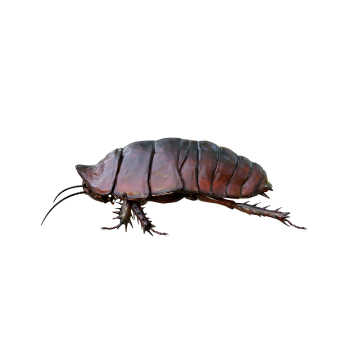
3D animation model of parthenogenetic

Parthenoptera is a large wingless species that lives in katydids in Eurasia and belongs to the family Orthoptera. The body is slender, with a body length of about 55 to 75mm, and is emerald green or iron cyan. Known for its strong predatory ability, it is specialized in the front and middle feet with spikes and is used to catch prey. A distinctive feature is its parthenogenetic ability, in which a female individual produces offspring without the need for males. Makes parthenogenetic males of the hydatids extremely rare in the wild. It mainly inhabits open grasslands and bushes and feeds on other insects. Mainly distributed in parts of Xinjiang. Due to its unique reproductive mode and large body size, it is classified as a near-endangered species.
Giant Cockroach 3D Model Animation

Giant Cockroach 3D Model Animation

The giant cockroach is the heaviest known cockroach in the world and the second largest. It lives mainly in the tropics of Queensland, Australia, and is an important decomposer in the local ecosystem. The body is huge, the body length can reach 8cm, the weight can reach 35 grams, and the life span is up to 10 years. It is an egg-viviparous animal in which the female incubates the eggs and then directly lays the larvae. It feeds mainly on withered eucalyptus leaves, bark, hay and branches, helping to cycle nutrients through the consumption of these organisms. It is a ground-dwelling insect that digs permanent caves up to 1 meter deep in the soil. No wings, unable to fly, action is relatively slow. They are usually active at night.
Turtle Model 3D Animation

Turtle Model 3D Animation

It is a type of reptile that lives in the ocean, belonging to the order Turtles and family Turtles. Distributed in tropical and subtropical waters around the world, it feeds on seagrass, jellyfish, mollusks, and crustaceans. Long lifespan, some individuals can live to over 100 years old. The body is streamlined and the limbs have evolved into paddle shaped fins, making it very suitable for swimming in water. The shell is divided into the carapace and the plastron, with the carapace being their main protective structure and the plastron providing stability during swimming. The breeding method is special. Females will build nests and lay eggs on the beach, then bury the eggs in the sand and rely on the heat of the sun to naturally hatch. Many species are listed as endangered.
Saltwater Crocodile 3D Animation

Saltwater Crocodile 3D Animation

Also known as estuarine crocodile or saltwater crocodile, it is a crocodile that lives in the Indo Pacific region, extending from Sri Lanka, India, Bangladesh, and eastern Myanmar to the Solomon Islands and Vanuatu, and all the way to the northern coast of Australia. It is currently the largest reptile in the world, known for its fierce nature and powerful attacking abilities. He is a nocturnal hunter who can hunt almost any animal he can catch, including humans and other saltwater crocodiles. Often appearing suddenly underwater, attacking unguarded prey and dragging them into the water to devour. The nostrils and ears have active valves, indicating that they have adapted to aquatic and terrestrial life.
Carp (with 3D animated model)

Carp (with 3D animated model)

It is a freshwater fish widely distributed in Eurasia, belonging to the Cyprinidae family, and is a very common species in fishing and aquaculture. Strong adaptability, able to survive in various water quality environments. The body size varies from small to large, usually olive green or yellow brown in color, with irregular dark spots or stripes on top. The body is streamlined, covered with smooth scales, the head is relatively rounded, and the mouth has tentacles, which are helpful for foraging underwater. It is an omnivorous animal that feeds on aquatic plants, insects, small crustaceans, and other aquatic animals. When foraging underwater, tentacles are used to detect food.
Golden Koi (with 3D animated model)

Golden Koi (with 3D animated model)

It is an ornamental fish originating from Japan, belonging to the Cyprinidae family, known for its bright golden color and elegant body shape. The body color ranges from dark orange yellow to bright gold, usually shining with a charming luster under sunlight. The body is short and wide, with large and neat scales. The head is usually rounded, and the mouth is slightly upward. It has a streamlined body and a wide tail fin. Relatively gentle in personality, usually coexisting peacefully with other fish. Strong adaptability, able to survive under various water quality conditions, but it is best to raise in clear and oxygen rich water. In Japanese culture, koi is regarded as a symbol of longevity and prosperity.
Andean Bald Eagle (with 3D animated model)
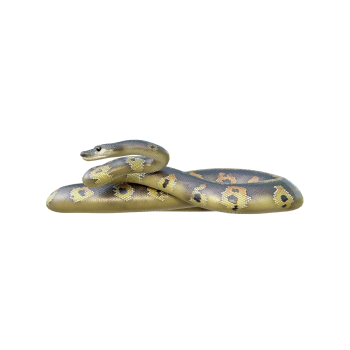
Andean Bald Eagle (with 3D animated model)

It is a large raptor living in the mountainous areas of western South America, belonging to the New World Bald Eagle family. Known for its huge wingspan and spectacular flying ability, with a wingspan of over 3 meters, it is one of the widest flying birds in the world. The feathers are mainly black, with a white tuft below the neck that unfolds during flight, creating a sharp contrast. The head is usually red or orange, and the color changes with mood. Mainly feeds on carrion and searches for animal carcasses on the ground. Having extremely sharp vision and smell, able to detect distant food from high altitude. Usually builds nests on cliffs or rocks.
Ball Python (Black Yellow) 3D Model Animation

Ball Python (Black Yellow) 3D Model Animation

The ball python has a sturdy body, a triangular head, large and bright eyes, and vertical pupils. The skin is smooth and has a variety of colors, often with various patterns such as stripes, spots, or marble textures. Feed on small mammals such as mice and rabbits. When hunting, they will use powerful muscles to quickly wrap and strangle the prey, and then swallow it whole. The breeding method is egg laying, and females can lay 20 to 50 eggs per year. They are usually active at night, but their activity time may vary in artificial breeding environments. Due to its gentle temperament and easy to raise characteristics, ball pythons are a very popular choice among pet snakes.
Ball Python (Yellow White) 3D Model Animation

Ball Python (Yellow White) 3D Model Animation

The ball python has a sturdy body, a triangular head, large and bright eyes, and vertical pupils. The skin is smooth and has a variety of colors, often with various patterns such as stripes, spots, or marble textures. Feed on small mammals such as mice and rabbits. When hunting, they will use powerful muscles to quickly wrap and strangle the prey, and then swallow it whole. The breeding method is egg laying, and females can lay 20 to 50 eggs per year. They are usually active at night, but their activity time may vary in artificial breeding environments. Due to its gentle temperament and easy to raise characteristics, ball pythons are a very popular choice among pet snakes.
3D model animation of green sea turtle adsorbed by catfish
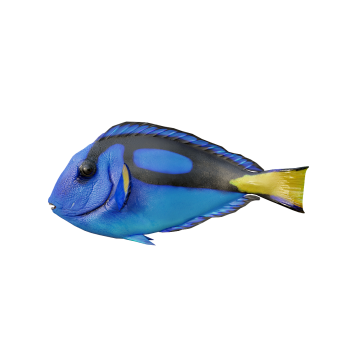
3D model animation of green sea turtle adsorbed by catfish

It is a large sea turtle in the family Turtles. Widely distributed in tropical and subtropical waters around the world, it is named after its unique green fat layer. Large in size, adult individuals typically weigh 100 to 150 kilograms and can have a shell length of about 1 meter. Having flat limbs, adapted to swimming life in water. It is a herbivorous animal that mainly feeds on seagrass, and sometimes also consumes aquatic plants and algae. Living habits include long-term migration, especially females returning to their birthplace to lay eggs during the breeding season. The breeding process is very special. Females will dig caves on the beach to lay eggs, and then leave to let the eggs hatch naturally. Currently listed as an endangered species
3D animation model of the simulated spiny tailed snapper

3D animation model of the simulated spiny tailed snapper

It is a fish species that lives in tropical and subtropical waters, belonging to the family Syngnathidae. Known for its bright colors and unique body shape. The body color is usually yellow or blue, with black horizontal stripes on top. The body is flat, the tail is slender, and the tail fin is sharp, which is also the origin of their name. It is an important member of coral reef ecosystems, mainly feeding on algae, which helps to control the growth of algae and maintain the health of coral reefs. Usually active in shallow water areas, likes to shuttle between rocks and corals. The breeding method is egg laying, and females will lay their eggs on aquatic plants or other attachments. Due to its beautiful appearance, it is also a good ornamental fish
Green Turtle 3D Model Animation

Green Turtle 3D Model Animation

It is a relatively large sea turtle belonging to the family Turtles. Widely distributed in tropical and subtropical seas worldwide. The name comes from the color of its fat layer, not its outer shell, which is usually olive or brown, while the fat layer is green. It is a herbivorous animal that mainly feeds on seagrass, and sometimes also consumes aquatic plants and algae. Known for its long-distance migration, it swims from foraging grounds to breeding grounds, sometimes covering distances of thousands of kilometers. The breeding cycle usually takes place at night, and females dig holes on the beach to lay eggs, then cover and leave, allowing the heat of the sun to naturally hatch.
Pseudospiny tailed snapper (with 3D animated model)

Pseudospiny tailed snapper (with 3D animated model)

It is a fish species that lives in tropical and subtropical waters, belonging to the family Syngnathidae. Known for its bright colors and unique body shape. The body color is usually yellow or blue, with black horizontal stripes on top. The body is flat, the tail is slender, and the tail fin is sharp, which is also the origin of their name. It is an important member of coral reef ecosystems, mainly feeding on algae, which helps to control the growth of algae and maintain the health of coral reefs. Usually active in shallow water areas, likes to shuttle between rocks and corals. The breeding method is egg laying, and females will lay their eggs on aquatic plants or other attachments. Due to its beautiful appearance, it is also a good ornamental fish
Amazon Giant Centipede (with 3D animated model)

Amazon Giant Centipede (with 3D animated model)

Also known as the Robusta Giant Centipede, it is a species of centipede native to the Amazon River basin. Mainly distributed in Amazon basin countries and regions such as Brazil, Ecuador, Peru, etc. Adult body length is generally 25-30 centimeters, and the body color is generally red, with the largest reaching 44-46 centimeters. The body is composed of many body segments, each with walking feet. The first pair of feet is very sharp and can secrete toxins. The fierce Amazon giant centipede mainly feeds on insects such as crickets. The mode of reproduction is oviposition, and females lay eggs and provide protection. When they bite humans or other animals, they release toxins.
Hammer Shark 3D Model Animation

Hammer Shark 3D Model Animation

Also known as the hammerhead shark, it is named after its unique flat head and widely distributed eyes, mouth, and nose. It is a deep-sea fish that lives on the seabed. It can usually grow up to about 4 meters in length and reach a width of the head. The shape of their heads helps them search for food in the sandy soil on the seabed, such as small fish and crustaceans. It is also known for its unique hunting strategy, which utilizes the shape of its head to detect and perceive prey. Despite its unique appearance, hammerhead sharks are not particularly dangerous and are usually not aggressive towards humans. Due to overfishing and habitat destruction, this species is already facing the threat of extinction in some areas.
Snake (with 3D animated model)

Snake (with 3D animated model)

It is a legless reptile belonging to the snake suborder, with over 3000 different species. The body is slender and covered with scales, which help protect the skin and reduce friction. Vision is usually not very good, but they have other senses to compensate for this deficiency, such as detecting odors in the air through tongue signals and perceiving the surrounding environment by sensing ground vibrations. They have a diverse diet, some feed on small mammals, while others prey on birds, fish, or insects. Some snakes are poisonous, and they use their venomous fangs to inject venom to capture or kill their prey. Most snakes, on the other hand, are non-toxic and prey on them by coiling or swallowing
Crocodile (with 3D animated model)

Crocodile (with 3D animated model)

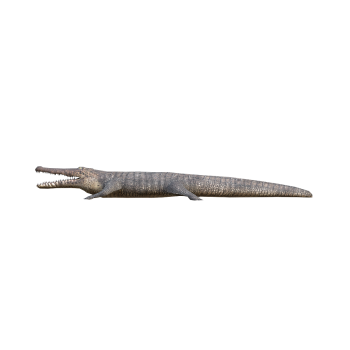
It is an ancient and powerful reptile belonging to the crocodile order. Known for its powerful jaw force and unique lifestyle habits. Usually living in tropical and subtropical waters such as rivers, swamps, and lakes. It is a top predator that feeds on fish, birds, mammals, and even other reptiles. The body structure is adapted to aquatic life, with a streamlined body and strong limbs that can move quickly in water. The skin is covered with hard scales that not only provide protection but also help regulate body temperature. The eyes, ears, and nostrils are located at the top of the head, allowing them to breathe underwater and observe their surroundings.
Python (with 3D animated model)

Python (with 3D animated model)

It is a large and powerful snake belonging to the snake order and python family. Widely distributed in tropical and subtropical regions of Asia, Africa, and Australia. Known for its strong body and unique hunting methods, it typically involves entangling prey, strangling them with the strength of its body, and then swallowing them whole. Pythons have very sharp eyesight and smell, which makes them efficient hunters. Food includes small mammals, birds, and other reptiles. Long lifespan, some species can live up to 20 years or longer. Due to habitat destruction and illegal hunting, some species of pythons are facing survival threats.
Ladybug (with 3D model animation)

Ladybug (with 3D model animation)

It is a small insect belonging to the family Ladybugs in the order Coleoptera, known for its bright body color and spots. Usually between 1 and 10 millimeters in length, the body is round or oval in shape, with a variety of colors ranging from bright red, orange to black, dotted with black or white spots. Known for preying on pests, especially aphids, it is an important beneficial insect in agriculture and horticulture. The life cycle of ladybugs includes four stages: egg, larva, pupae, and adult. Their eggs are usually yellow in color, and after hatching, the larvae will prey on small pests such as aphids. As the larvae grow, they undergo several molts and eventually form pupae. Adult ladybugs have the ability to fly.
Running Chicken 3D Model Animation

Running Chicken 3D Model Animation

It is a type of chicken, belonging to domestic poultry, usually referring to the chicks of chickens. Having soft fur and lively and active characteristics, it is very cute. Shortly after hatching, they can follow the hen to forage around, and their food mainly includes grains, insects, etc. The growth rate is very fast, and usually changes in body shape can be clearly seen within a few weeks. In farm or home environments, chicks are not only a source of eggs and meat, but also a beloved pet for many people. Due to their strong adaptability to the environment, chicks are raised around the world. However, chicks require appropriate care and nutrition during their growth process to ensure their healthy growth.
Running rooster 3D model animation

Running rooster 3D model animation

Belonging to the bird class, chicken shaped order, and pheasant family. It is a type of chicken that is usually raised by humans for mating and consumption by hens. Known for its bright feathers and high pitched vocalizations. Usually has bright tail feathers and neck feathers, with a variety of colors, commonly including red, yellow, green, etc. The crowing of roosters is one of its most prominent features, usually occurring in the early morning and sometimes at other times, with a loud and penetrating sound. Plays an important role in the chicken flock, responsible for protecting territory and the flock, while also serving as a leader within the flock. In addition, meat and eggs play an important role in human diet and have high nutritional value.
1 2 3 Next